If you have ever tried to type your 16-digit credit card number into a small mobile phone screen while sitting on the bus, you know the struggle. You make one typo, the page refreshes, and suddenly, the excitement of playing a game has been replaced by the annoyance of data entry. It’s clunky, it’s frustrating, and it is the exact reason why casinos are aggressively moving toward e-wallets.
In this post, we’re cutting through the marketing fluff to explain why e-wallet casino deposit options are becoming the industry standard, and what that actually means for your wallet and your time.
The Friction Problem: Why Mobile Users Are Leaving
In the tech world, we use the term "friction" to describe anything that makes a user pause or quit a task. In online gaming, friction is the enemy. If a player has to hunt for their physical wallet, pull out a card, and type in a CVV code, there is a high statistical probability they will just close the app instead.
Data from the Pew Research Center continues to show that mobile connectivity is the primary way people interact with the internet. When people are mobile, they have zero patience for complex forms. Casinos are finally realizing that if they want you to stay, they have to make the deposit process feel like a non-event.
What this means for you: Casinos aren't just doing this to be nice; they are doing it because they know you are more likely to play if the barrier to entry is as low as a single tap.
What is an E-Wallet? (And Why It Matters)
An e-wallet is essentially a digital vault that sits between your bank account and the casino. You link your card or bank account to the wallet once. After that, you just log in with your credentials to pay.
Translation: An e-wallet is like having a digital middleman that stores your payment info so you don’t have to type it in every single time.
The Goal: Reduce Data Entry
When you use an e-wallet, you aren't sending your raw financial data to the casino site. You are simply authorizing a transaction through a secure app. This is the gold standard for fast casino deposits because it bypasses the need for you to scramble for your card details in public spaces.
What this means for you: You avoid the risk of someone looking over your shoulder to see your credit card number while you’re out and about.
Alternative Tech: Pay by Phone and Carrier Billing
Beyond e-wallets, we are seeing a massive push for pay by phone casino options and mobile carrier billing. These methods allow you to charge a deposit to your monthly phone bill or deduct it from your prepaid balance.
These methods are hyper-focused on the "mobile-first" experience. There is no card number to type. There is no bank app to toggle between. It is just your phone number and a confirmation message.

Translation: You are paying using the same account you use to pay your phone bill, which is perfect for small, quick transactions on a small screen.
A Quick Reality Check on Fees and Limits
It is important to be transparent here. Many marketing articles will promise "instant" and "free" without caveats. In the real world, you should always check the specific terms of the platform you are using. Some providers may charge a small processing fee for carrier billing, or they may place a cap on how much you can deposit in a 24-hour period. Always look for the "Terms and Conditions" link at the bottom of the checkout page before you click confirm.
UX as the Product: Why Casinos Like MrQ are Winning
In the past, people judged casinos by the size of their game library. Today, they judge them by the User Experience (UX). Companies like MrQ have built their reputation on being "no-nonsense." They don't clutter the screen with heavy graphics during the deposit phase, and they prioritize fast, simple payment flows.
If you look at modern mobile interfaces—many of which carrier billing for responsible gambling use high-quality assets from platforms like Freepik to keep designs clean—you’ll notice the shift toward "One-Click" functionality. A casino that forces you to navigate a ten-step deposit process is a casino that hasn't kept up with modern UX standards.
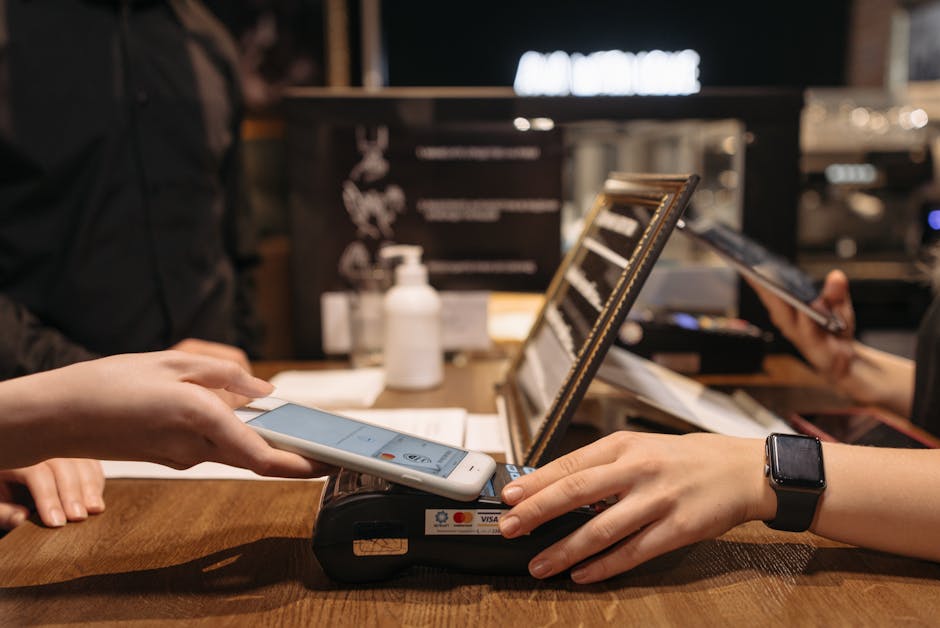
Comparison of Deposit Methods
Not every method is right for every player. Here is how they stack up when you are using a mobile device:
Method Speed Ease of Use (Mobile) Key Benefit E-Wallet Very Fast High No card entry required Carrier Billing Instant Very High Charged to phone bill Credit/Debit Card Slow Low (Type-heavy) Widely availableWhat this means for you: If you are someone who plays in short bursts while commuting or waiting in line, e-wallets or carrier billing will save you massive amounts of time compared to standard card entry.
The Security Talk (Without the Fluff)
You’ll often hear companies claim their payment systems are "bank-grade secure." That’s marketing fluff. What you really care about is:
Does the casino store your credit card data? (Ideally, they shouldn't.) https://varimail.com/articles/the-one-click-revolution-why-your-digital-wallet-never-sleeps/ Does the payment method offer a layer of separation? (E-wallets act as a buffer, which is safer.)By using an e-wallet, you are effectively reducing the "attack surface" of your financial data. If a site were to have a breach, they wouldn't have your raw bank details—they’d only have the tokenized information provided by the wallet.
What this means for you: Choosing a payment method that doesn't require you to input your bank details on every single site is just smart digital hygiene.
Final Thoughts
The move toward e-wallets and pay-by-phone billing isn't just a trend; it is a fundamental shift in how we interact with the digital economy. We are moving away from the era of "type it all in" and into an era of "just confirm it."
When you look for your next platform, prioritize those that value your time. If the deposit process feels like a chore, you’re on the wrong site. Keep it simple, keep your data protected, and don't let a bad user interface ruin your downtime.